
Understanding the psychology behind casino games and player decisions

The Allure of Casino Games
Casino games have an undeniable appeal that draws players from all walks of life. The bright lights, engaging sounds, and vibrant atmosphere create an enticing environment where excitement and anticipation thrive. This allure is deeply rooted in psychological factors, such as the thrill of risk-taking and the potential for significant rewards. Gamblers are often motivated by the chance to win big, which can overshadow the reality of the odds stacked against them. Many players are turning to crypto sportsbooks as they seek new ways to enhance their betting experiences.
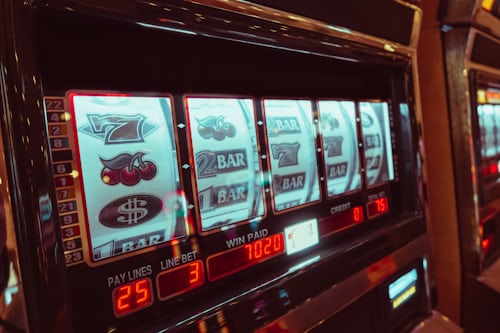
The psychological concept of ‘variable reinforcement’ plays a critical role in the draw of casino games. Unlike fixed rewards, variable reinforcement creates a scenario where players are uncertain about when a win might occur, which can lead to continued play. This unpredictability heightens the excitement, compelling players to return in hopes of experiencing that euphoric moment of victory.
The Role of Emotion in Decision-Making
Emotion significantly influences decision-making in casino settings. Players often rely on their feelings to guide their bets and choices, leaning into the excitement generated by wins or the disappointment from losses. This emotional rollercoaster can greatly affect their behavior, leading to impulsive decisions that might not align with their original strategies or budgets.
For instance, a player experiencing a winning streak may feel invincible, prompting them to increase their bets and take risks they wouldn’t typically consider. Conversely, after a series of losses, a gambler might chase their losses, hoping to recoup their money through even riskier plays. Understanding these emotional triggers can be essential for both players and operators in fostering responsible gaming environments.
Cognitive Biases and Gambling Behavior
Cognitive biases can heavily influence how players perceive their chances of winning and making decisions at the casino. One common bias is the ‘gambler’s fallacy,’ the belief that past events can influence future outcomes in games of chance. For example, a player may think that if a slot machine hasn’t paid out recently, it is ‘due’ for a win. This misconception leads to misguided strategies and can encourage prolonged play, despite unfavorable odds.
Another prevalent bias is the ‘illusion of control,’ where players believe they can influence outcomes through skill or strategy in games that are primarily luck-based. This can lead to overconfidence and a higher tolerance for risk, further perpetuating the cycle of gambling behavior. Recognizing these cognitive biases provides insight into why players may behave irrationally in casinos.
The Impact of Environment on Player Decisions
The environment in which casino games are played can heavily influence players’ decisions and behaviors. Casinos are meticulously designed to maximize engagement, featuring layouts that encourage exploration and prolonged exposure to games. Elements like the absence of clocks, the use of bright colors, and the provision of complimentary drinks all serve to maintain an immersive experience that can cloud judgment and prolong play.
Moreover, social dynamics in casinos can also impact decision-making. The presence of other players, especially during high-stakes games, can create a sense of community and shared excitement but can also lead to peer pressure and increased risk-taking. This social influence can lead players to make decisions they might not typically make in isolation, further complicating their choices in the heat of the moment.
Understanding Responsible Gaming and Resources
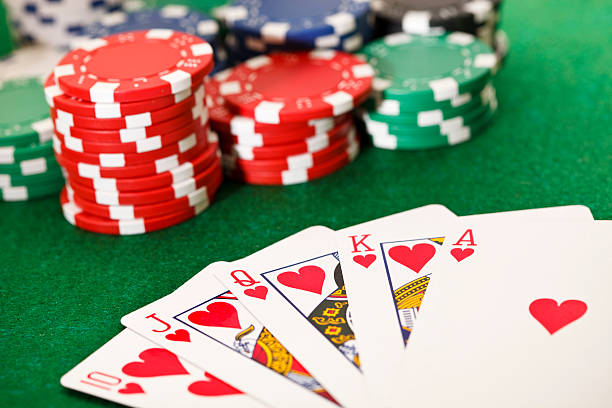
Understanding the psychology behind casino games and player decisions highlights the importance of responsible gaming practices. Players should be aware of the psychological factors influencing their choices and recognize when their behavior may be becoming problematic. Many casinos and online platforms are increasingly offering resources and tools to help players manage their gambling habits.
By providing education about the risks, as well as strategies for self-control, casinos can contribute to a healthier gaming environment. Players can find support through various organizations that promote responsible gambling, encouraging them to seek help if needed. As the gambling landscape evolves, understanding and addressing these psychological factors remains crucial in promoting a safe and enjoyable gaming experience.
Comments are closed.